
Why Diet Matters for Consciousness: A Bhakti Yoga View
The recent shift toward plant-based hospital menus—highlighted by Dr. Michael Greger’s analysis of diet as the leading global cause of death—raises a deeper question that modern medicine is only beginning to confront: why does diet so profoundly influence human well-being and mental clarity?
From the perspective of Bhakti Yoga, Dr. Greger’s observation that diet is both the leading global killer and yet largely neglected in medical training reveals a profound dilemma: how can a scientifically advanced society fail to address the primary cause of its own mortality? Bhakti philosophy interprets this gap as arising from an incomplete understanding of consciousness and the ethical obligations (dharma) that sustain long-term well-being. The push for plant-based hospital menus, therefore, is not merely a clinical initiative; it serves as a powerful validation of timeless philosophical principles concerning the ethical quality of life and the subtle nature of the mind.
The institutional adoption of plant-based options, encouraged by the American Medical Association (AMA), provides a compelling example of applied ethics. This shift directly supports the principle of ahimsa, or non-violence. Philosophically, ahimsa demands an expansion of ethical consideration to all sentient beings. The scientific observation that animal-based agriculture is resource-intensive and often ethically problematic is a modern validation of the ancient understanding that unnecessary violence creates systemic disharmony—or in philosophical terms, karmic reaction.
By minimizing the scale of suffering inherent in large-scale animal production, a plant-based diet establishes an ethical consistency necessary for clear philosophical inquiry. It is difficult to pursue higher knowledge or self-realization while knowingly contributing to systemic violence; the move toward plant-based care thus sets a necessary, logical precondition for genuine healing and intellectual advancement.
Further aligning with Dr. Greger's concern over dietary excesses, Vaishnava philosophy meticulously details the modes of nature (gunas) and their measurable impact on the mind. Foods are classified not just by macronutrients, but by their qualitative influence:
- 1. Tamas (Ignorance): Stale, processed, or highly destructive foods (like meat or alcohol) that promote dullness, inertia, and mental darkness.
- 2. Rajas (Passion): Foods that are excessively stimulating (spicy, overly rich) which lead to agitation, anxiety, and restlessness, directly correlating with the dietary excesses that cause modern diseases like hypertension and heart disease.
- 3. Sattva (Goodness): Fresh, pure, and wholesome plant foods that promote mental clarity, peace, and sustained enthusiasm.
A plant-based diet, rooted in sattvic choices, is the practical, bio-philosophical solution to the epidemic of dietary excesses. By choosing foods in the mode of goodness, one minimizes the mental agitation (rajas) and dullness (tamas) that impede the practice of concentration and higher intellectual function. The clarity achieved through sattvic eating is essential for any form of deep study or realization, validating the pursuit of pure diet as a prerequisite for 'Higher Studies.'
Finally, for a bhakti yogi, this dietary practice reaches its full expression through the act of accepting prasadam—food that has been consciously prepared and offered before eating. In the Bhakti Yoga tradition, offering plant-based food is a philosophical and contemplative discipline that transforms nourishment into a practice of awareness and devotion. Its devotional meaning belongs to the inner life of the practitioner, while its observable effects on gratitude, self-restraint, mindful consumption, and care for living beings are increasingly examined within the behavioral sciences. Through this offering, the bhakti aspirant removes the self-centered dimension of eating and elevates a biological act into a conscious, ethical, and heartfelt engagement with the Divine. This final step unites ahimsa (ethical intention) and sattva (mental clarity), creating the internal steadiness necessary to rise above the reactive cycles of material nature.
Although the devotional practice of prasādam belongs to the inner life of bhakti, the broader movement toward plant-based menus in hospitals shows that society is beginning to adopt the ethical and sattvic foundations that support clearer thinking, reduced harm, and improved well-being. These collective shifts reflect the early stages of a consciousness-oriented food culture that bhakti philosophy has articulated for millennia.
Source reference: Michael Greger M.D. FACLM, "Plant-Based Hospital Menus," NutritionFacts.org. Retrieved from: https://nutritionfacts.org/blog/plant-based-hospital-menus/
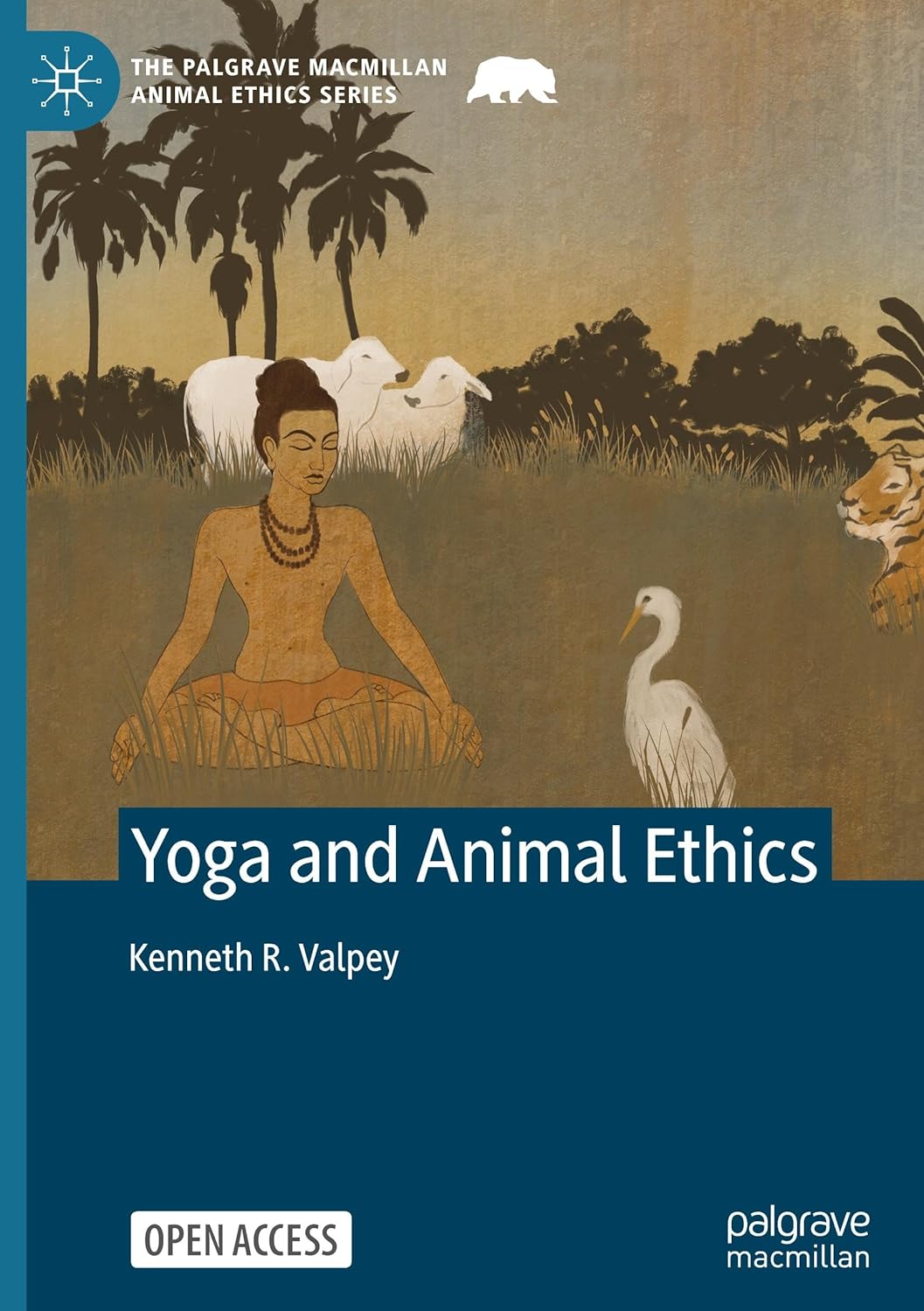
Featured Publication: Yoga and Animal Ethics
We are pleased to feature the foundational book Yoga and Animal Ethics by Dr. Kenneth R. Valpey (Krishna Ksetra Swami), a research fellow at the Oxford Centre for Hindu Studies and the Oxford Centre for Animal Ethics.
Scan the QR code to download your free copy:
Download Book Here